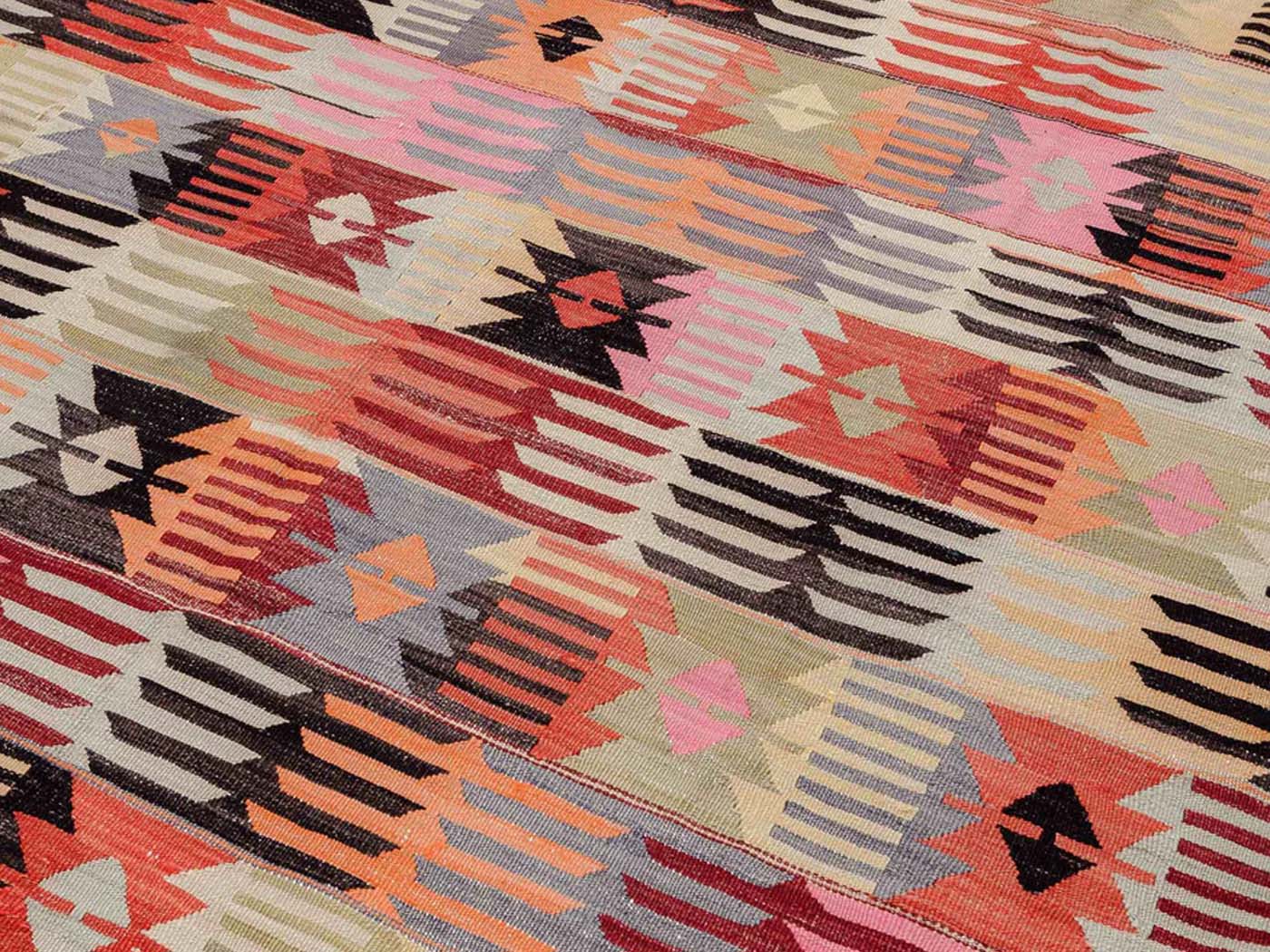
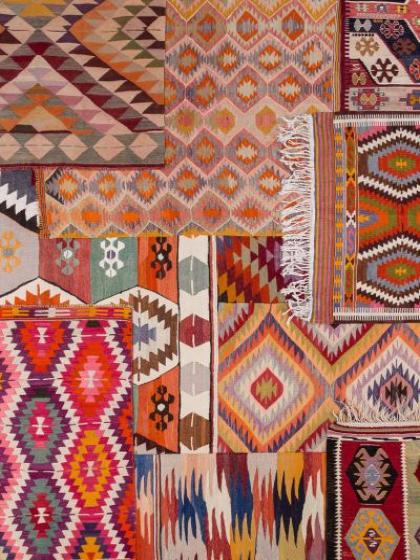


The making of Anatolian kilims unites craftsmanship, tradition, and cultural heritage in a unique way. Through my work with Wild Heart Free Soul, I’ve had the opportunity over the past ten years to connect with various weavers and weaving workshops in Anatolia. I’m continually fascinated by the complexity of a kilim and the knowledge that has been passed down through generations for centuries. Every step of the process — from shearing the sheep to spinning, dyeing, and weaving — demands skill, patience, and dedication.
 A kilim can certainly be admired without knowing the painstaking processes involved in its creation. Yet an awareness of this careful handiwork and inherited knowledge lends each piece a deeper significance. Kilims, which are rarely crafted using traditional techniques today, are more than mere rugs—they are woven stories that reflect the lives and traditions of their creators.
Over the years, I’ve learned that it’s not only the time spent at the loom that defines the value of a kilim. It’s the knowledge, experience, and care poured into each step that transforms the raw materials. In a world where many of these processes have been mechanized, understanding the centuries-old craftsmanship of Anatolian women allows us a deeper appreciation for these special textiles.
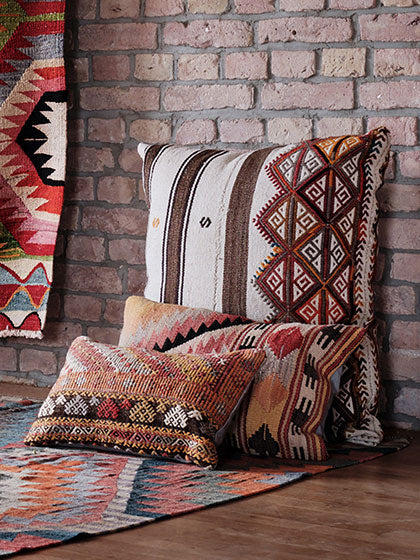
At Wild Heart Free Soul, we curate and restore vintage and antique kilims, woven decades ago using traditional techniques. Each of these kilims is a living work of art, bringing a piece of Anatolian culture and history into your home. They offer a deep connection to the centuries-old tradition of kilim weaving and invite you to welcome a piece of these fascinating stories into your space.
Before steps in the production were mechanized, each kilim was made through a meticulous, artisanal process based on inherited knowledge. The following description presents the production as it was once entirely handcrafted.
From Fleece to Yarn: Processing the Sheep’s Wool
The kilim-making process begins in the spring when the sheep are shorn—a significant moment in the yearly cycle of Anatolian shepherds. While men traditionally handle the shearing, the subsequent processing of the wool rests in the skilled hands of the women. The freshly shorn wool, often dirty and matted, is first washed in cold, slowly flowing streams, with the women using only water and wooden beaters. This gentle process preserves the natural structure and quality of the wool.

The wool is then pulled apart by hand and sorted by quality. The women assess it based on the timing of the shearing, the care of the sheep, and the texture of the fleece. The finest wool comes from the neck, shoulders, and back, while the wool from the belly and legs is considered less valuable. This careful sorting and the dedication of the women are essential for the quality of the kilim.
Carding and Combing: Preparing the Wool Fibers
After cleaning and sorting, the wool is prepared for spinning. For kilims, the wool is combed to align the fibers in parallel. Using combs with closely spaced metal teeth, the women untangle the wool into a loose band that will later be spun into strong yarn. Wool for knitted products, on the other hand, is carded, resulting in a softer, more insulating yarn. These techniques allow the women to prepare the wool optimally for its intended use.
Spinning: From Roving to Thread
The next step is spinning, an art once performed entirely by hand. The women draw out and twist the wool fibers to form threads—a time-consuming process. However, with the introduction of the drop spindle, a handy tool, spinning became more efficient and consistent. The drop spindle allowed weavers to better control the thickness of the thread, and because it is lightweight and portable, they could even spin while attending to other tasks.


An essential step in the production process is dyeing the yarn. For centuries, Anatolian weavers have used only natural dyes derived from plants, insects, and minerals. Red from madder roots, yellow from saffron, and blue from indigo—these natural colors give kilims their exceptional brilliance and depth.
With the industrial revolution, synthetic dyes made their way into the region, gradually replacing traditional techniques. At Wild Heart Free Soul, we are fortunate to still find kilims dyed solely with natural dyes. From the early 20th century onwards, kilims with a mix of natural and synthetic dyes became more common. Interestingly, the quality of wool dyed with early synthetic colors is noticeably higher than that of today’s industrial products—a detail that continues to fascinate us and raises questions that remain unanswered.
Weaving: The Heart of Kilim Making
After dyeing, weaving begins—the perhaps most significant step in the production process. On traditional wooden looms, the weavers interlace the warp and weft threads into a dense fabric. The vertical warp threads form the base, into which the horizontal weft threads are woven and interconnected. Using a "kirkit," a heavy comb made of wood or iron, the women compact the fabric, ensuring it holds firmly together with no loops visible.


A Connection to Tradition
The art of kilim-making reveals a deeply rooted connection between people, nature, and culture. Each kilim tells its own story and stands as a testament to the dedication and artisanal knowledge passed down through generations over centuries. In a time when craftsmanship is increasingly replaced by machine production, these unique pieces remind us of the value and timelessness of this tradition.
At Wild Heart Free Soul, we are committed to preserving this heritage and keeping the woven stories of Anatolia alive. By curating and restoring these vintage and antique kilims, we not only bring a piece of Anatolian culture into your home but also foster a profound connection to the centuries-old art of kilim weaving. These kilims invite us to welcome a piece of these fascinating stories into our lives and to enjoy the enduring beauty of an authentic, handcrafted work of art.

Through various weaving techniques, regional distinctions and specific patterns emerge, showcasing the skill and artistry of the weavers. Kilims are often adorned with geometric and symbolic motifs that carry familial, religious, or spiritual significance and are deeply rooted in the culture. Each kilim tells a story, reflecting the lifestyle and identity of its creator. The creation of a kilim can take weeks or even months, depending on the size and complexity of the pattern.