
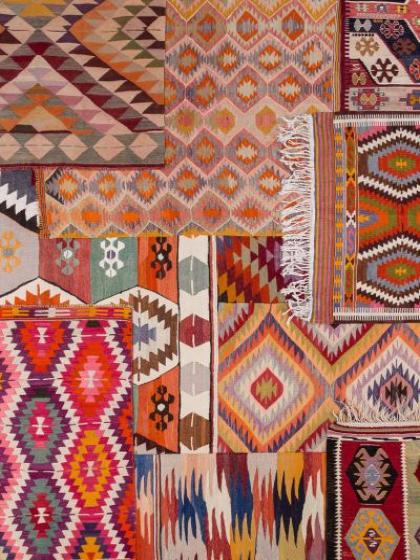

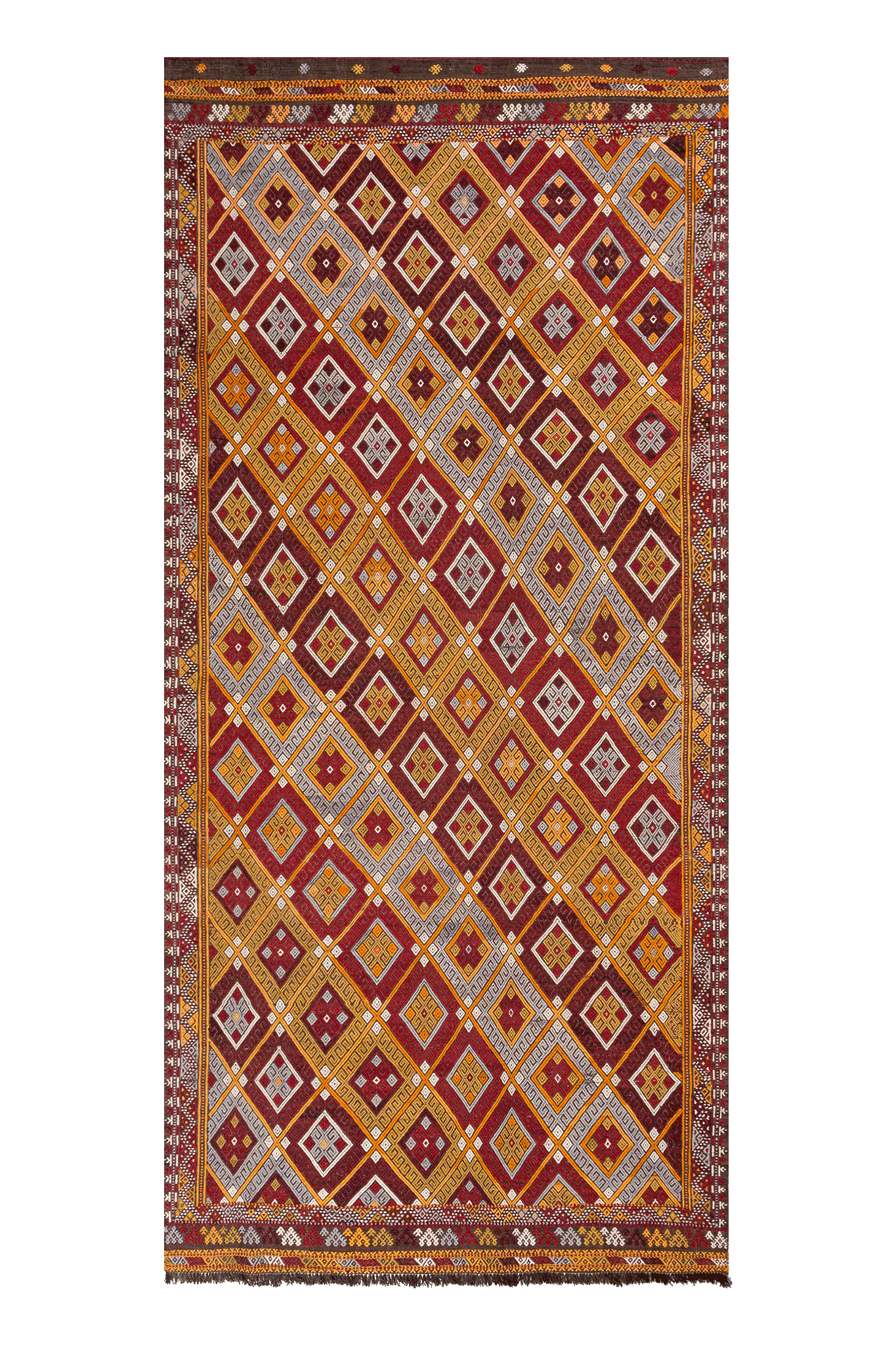
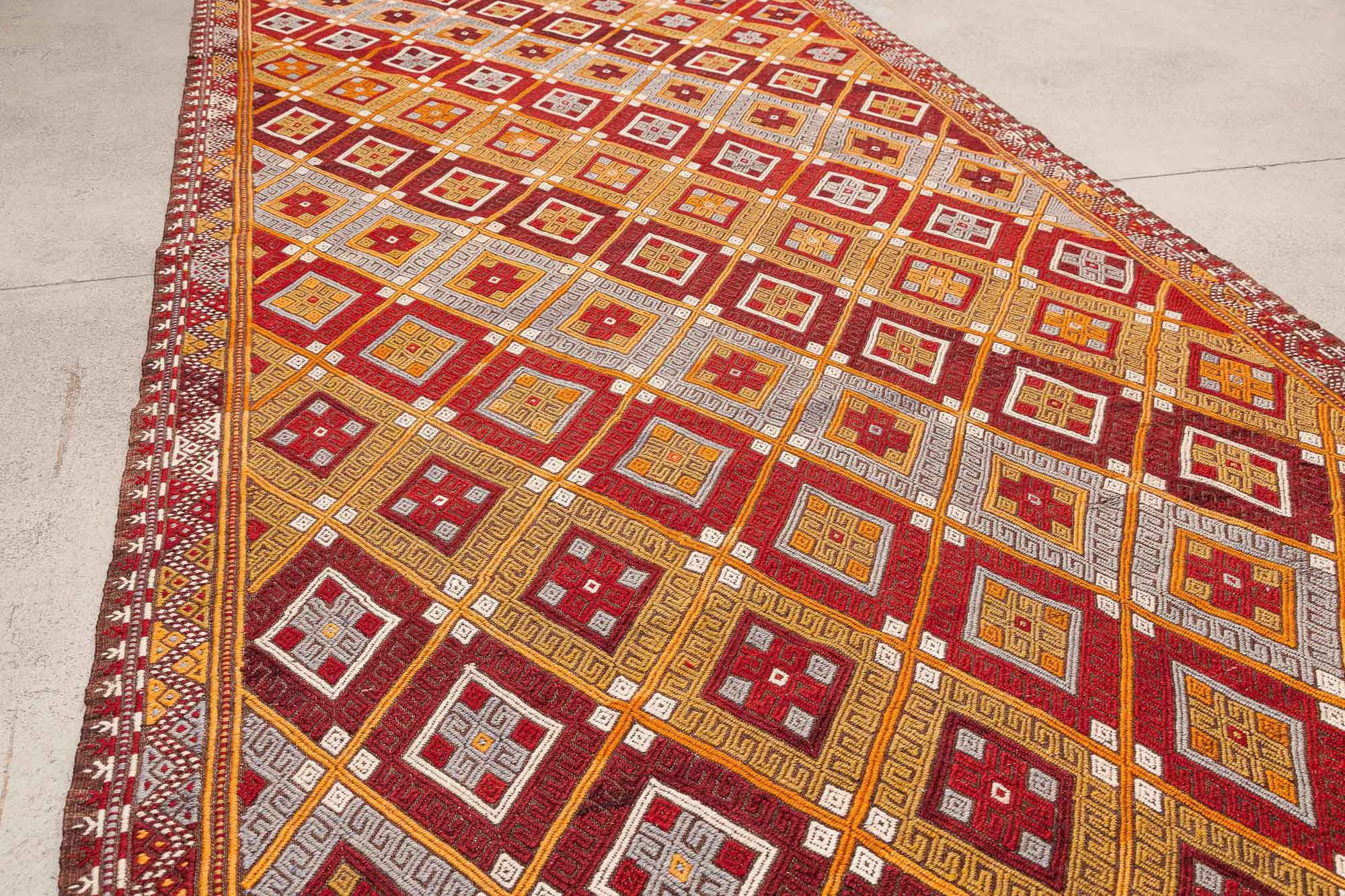
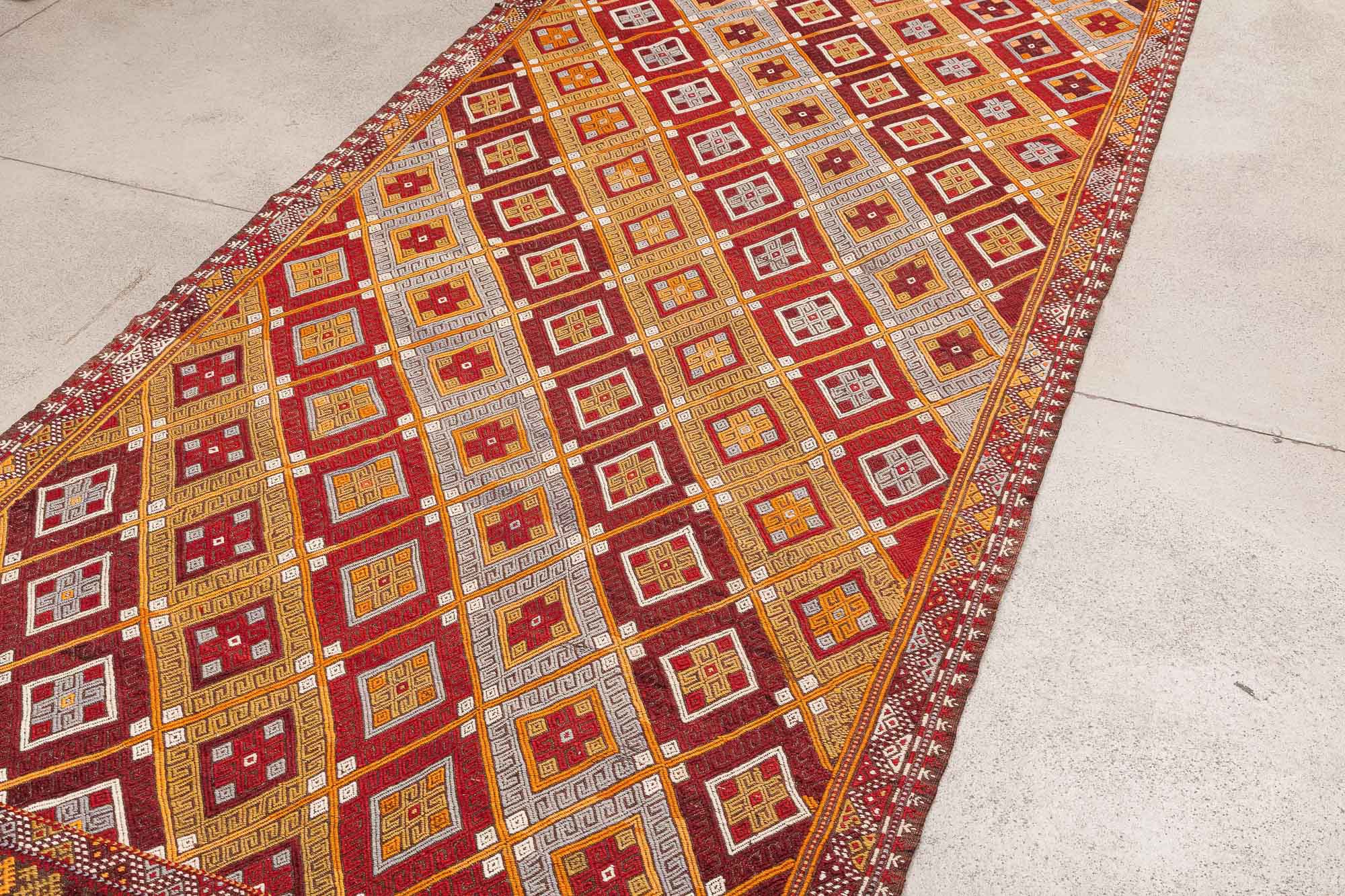
Vintage Kilim Afyon 296 x 139 cm
Hand-woven unique piece – not reproducible
Vintage Kilim Afyon 296 x 139 cm
Wild Heart Free Soul
Kastanienallee 55
10119 Berlin
Germany
Kilim rug, handwoven from sheep's wool
Choose options
Hand-woven unique piece – not reproducible
Hand-woven unique piece – not reproducible
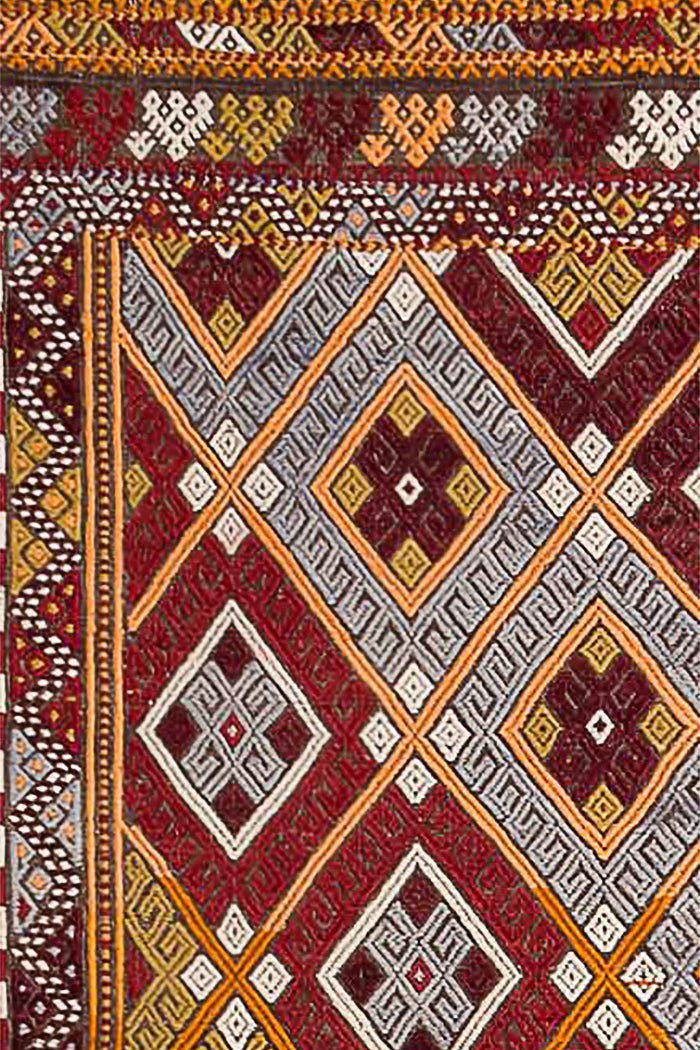
Anatolian, flat-woven kilim rug made from hand-spun sheep's wool. Vintage unique item with collector value!
Selected by Wild Heart Free Soul to the highest quality standards, naturally cleaned using the power of the sun and professionally restored.
Age-related patina and natural irregularities are characteristic of our handmade vintage rugs.
- Material: 100% hand-spun sheep's wool, highest quality
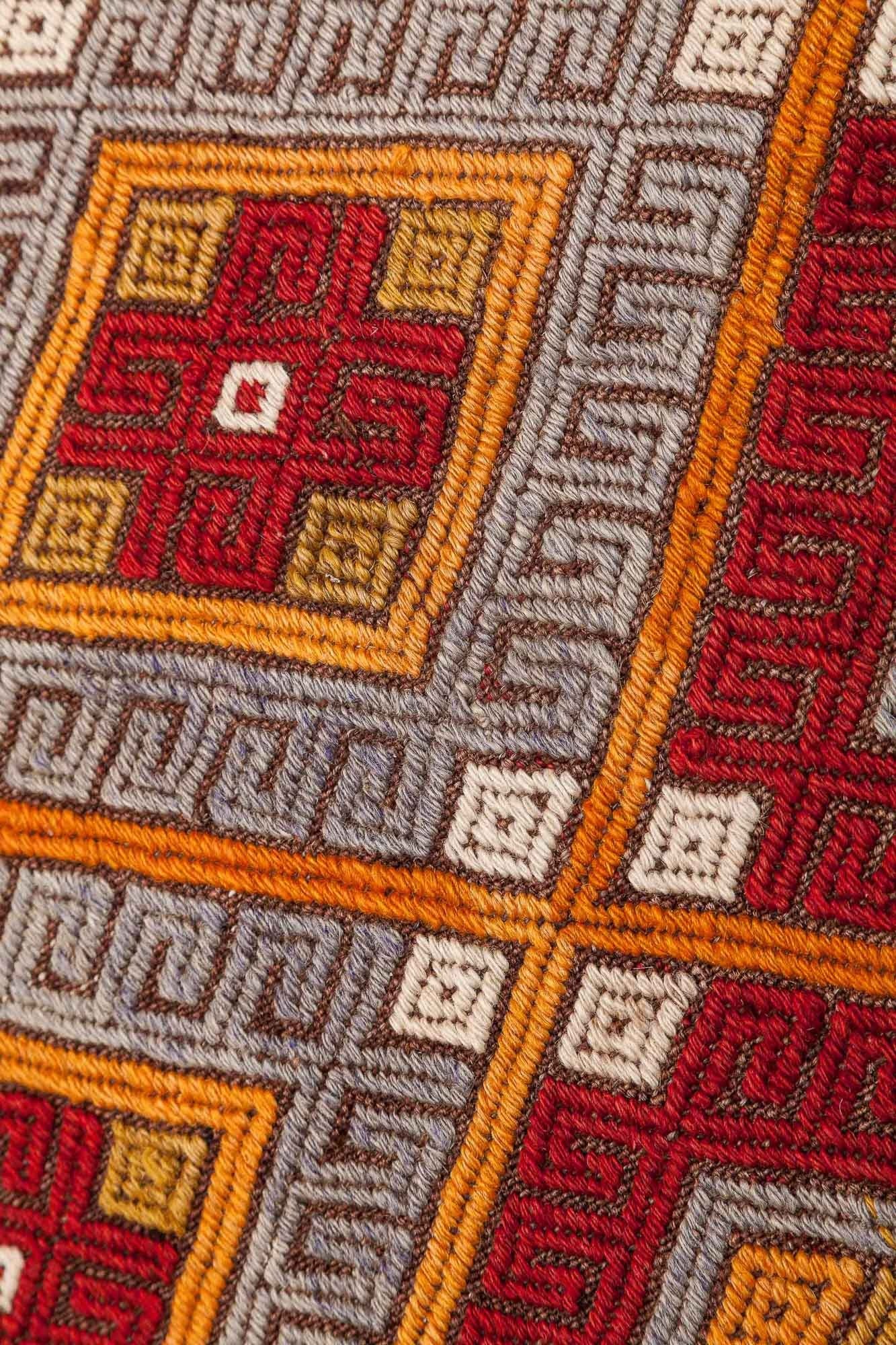
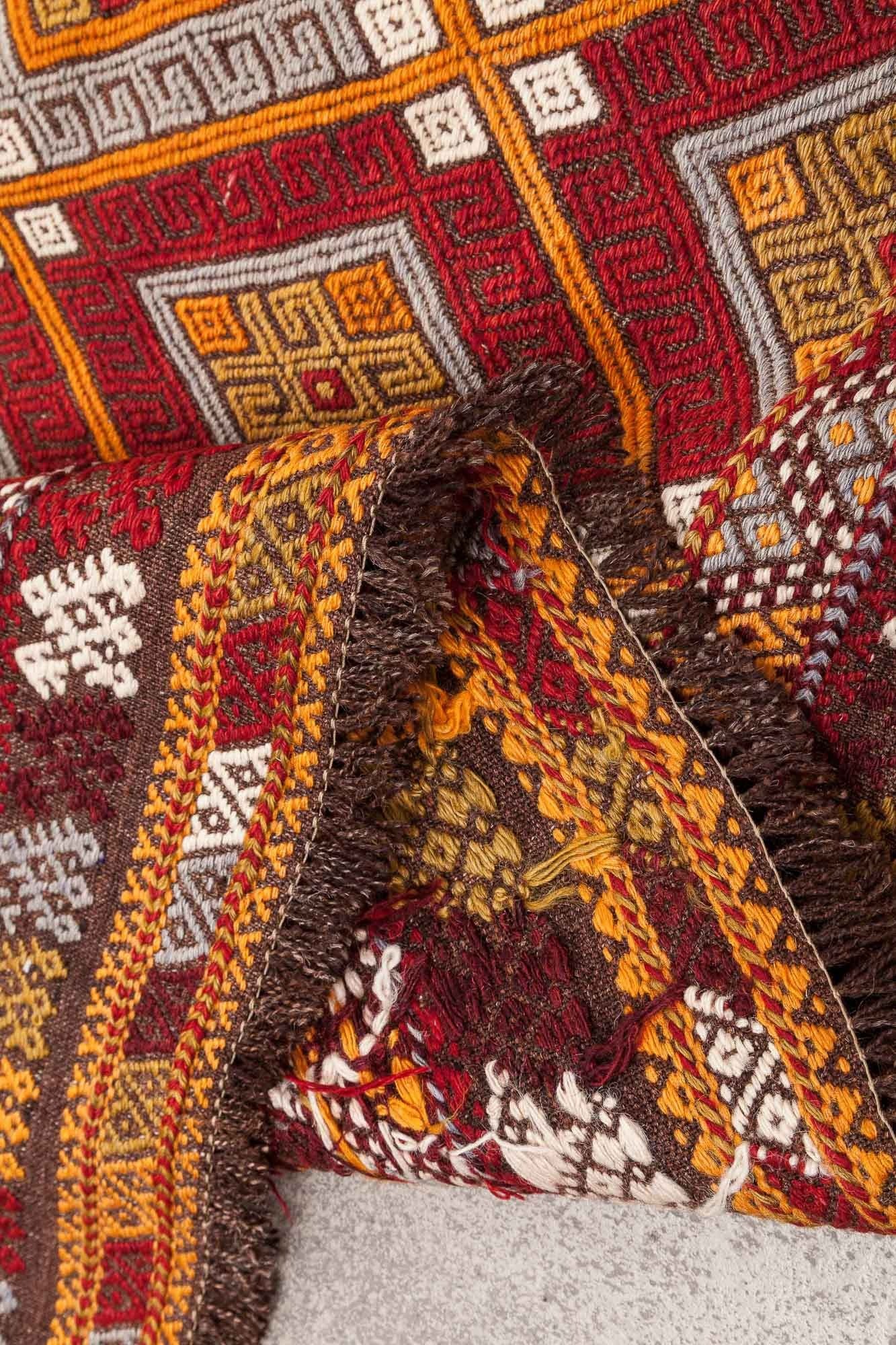
- Processing: Flatwoven by hand on a traditional, horizontal wooden loom
- Age: Semi-Antique. Circa 1960-1970
- Condition: Vintage in mint quality thanks to an extensive cleaning and restoration process
- Origin: Afyon, Anatolia
- Size: 296 x 139 cm, height: 3 mm
REGION OF ORIGIN
Central Anatolia
MANUFACTURING PROCESS
All our vintage kilims and rugs are entirely handmade. The sheep's wool yarn was spun and dyed by hand. Due to the high lanolin content, the high-quality sheep's wool shines particularly beautifully. A sheen that cannot be achieved with industrially manufactured yarn. After the laborious production of the yarn, the kilim was woven by hand on a traditional wooden loom. This process usually took several months, sometimes even more than a year.
CLEANING AND RESTORATION
Our cleaning process takes place cyclically, in harmony with nature.
Our carpets are only cleaned once a year at the beginning of summer. We only use water and pure olive soap for this. Then we work with the power of the sun to intensify the cleaning process. The strong Antalya sun between June and September bleaches stubborn stains and discolouration, removes odours, is antibacterial and keeps moths and insects away. Thanks to the power of nature, we can completely do without environmentally harmful chemicals.
Our kilims are then mechanically dusted and sent to Istanbul. In our workshop in Sultanahmet, each rug is individually stretched into shape and the ends are re-knotted using the Iranian knot technique to prevent the weave from unraveling. In addition, holes and discolored areas are restored true to the original. The complete cleaning and restoration process takes between six months and two years, depending on the kilim.
MATERIAL
Sheep's wool is a natural and very high-quality material. All of our rugs are woven from handspun sheep's wool yarn, which consists of long hairs and has a very high content of lanolin (wool fat). This makes the wool particularly dirt-resistant, water-repellent and antibacterial.
Sheep's wool is also a living material that becomes softer and shinier over the years through use and exposure to the sun, air and water. A material that ages beautifully, is completely environmentally friendly and free of harmful substances, cleans and regenerates itself.
MAINTENANCE
With loving care and regular care, a Wild Heart Free Soul kilim will still look like the first day, even after many years of use. Genuine kilims thus last for several generations.
Our kilims do not require much care, but the right one. A kilim should be vacuumed or beaten regularly and carefully. Stains can almost always be cleaned with a slightly damp cloth. Leftover food can be easily scraped off or brushed out when it has dried.
A kilim should not remain wet for long, as this can cause it to warp. Therefore we do not recommend doing your own laundry. If you feel the need to give your kilim a wash, please contact a professional, trustworthy carpet cleaner or contact us. We offer all Wild Heart Free Soul customers discounted rates for carpet cleaning and restoration.